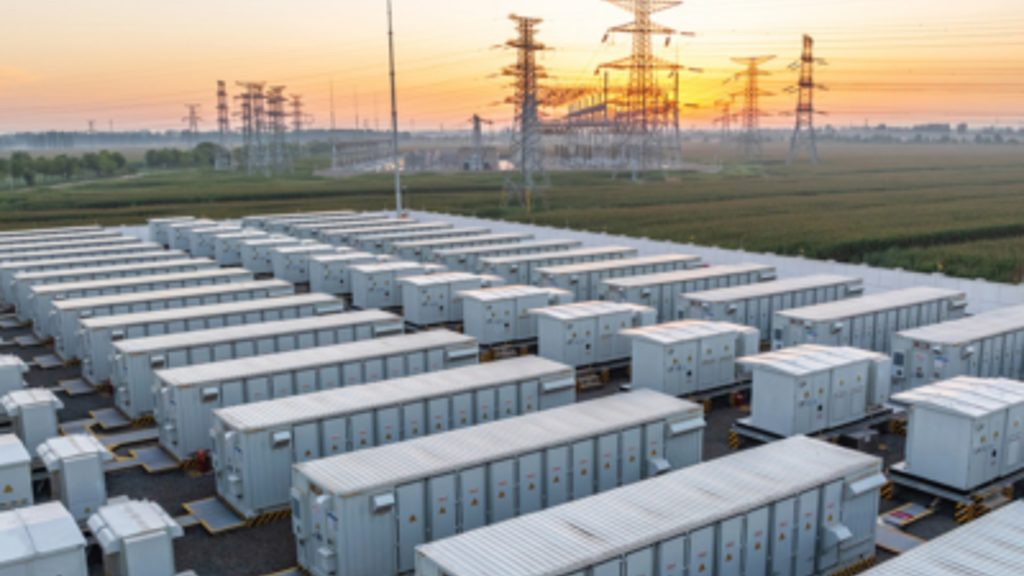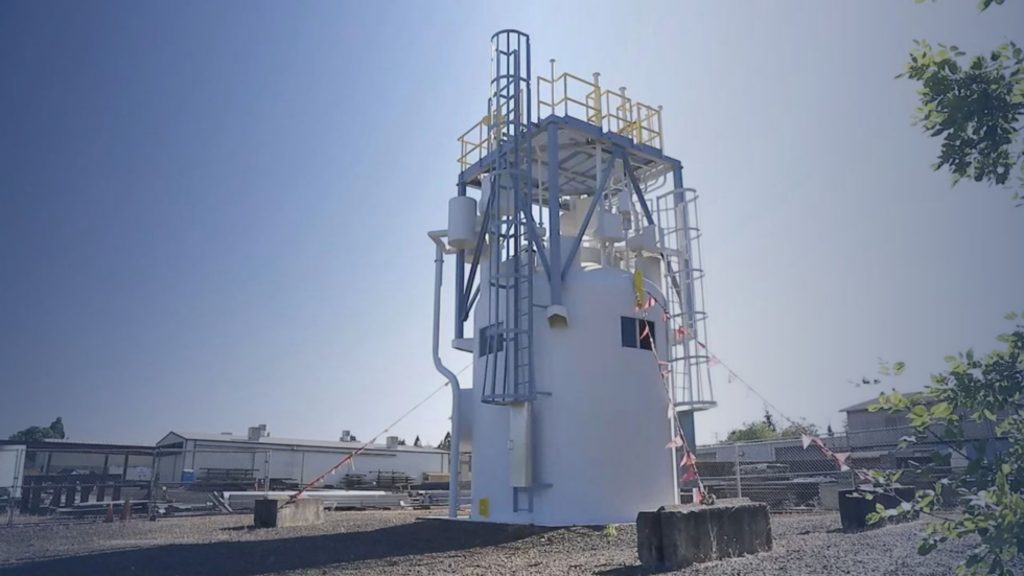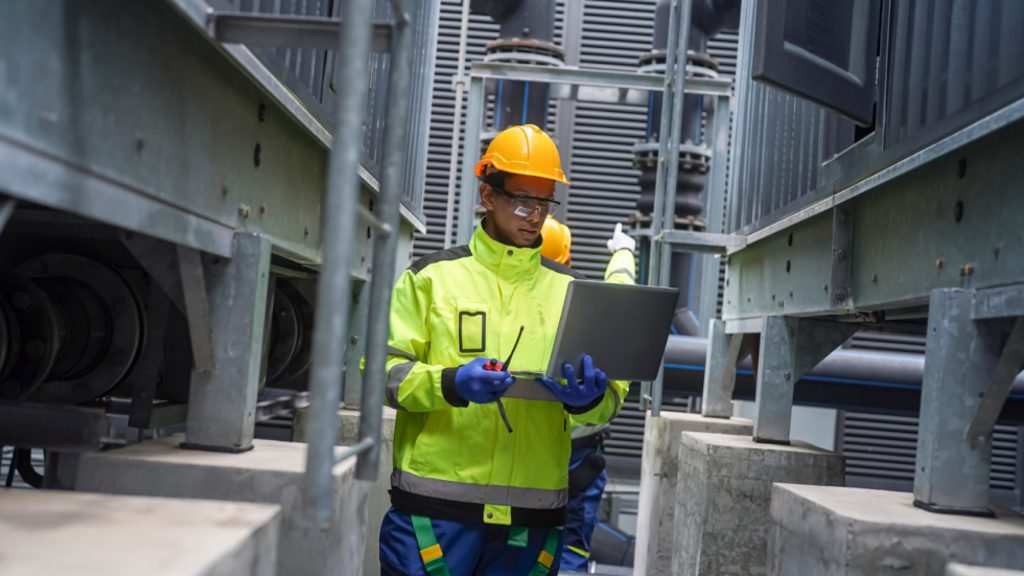

The question we get asked about solar and storage is rarely a technical one. It is usually some version of: the developer says this works, does it?
Usually the answer is yes with conditions attached, and the conditions are where the money sits. Here is what we look at.
Sizing follows the load shape, not the array
The most common sizing error is picking a battery to match the solar instead of the problem. If you are chasing demand charge reduction, the battery gets sized against the peak you want to shave and how many hours it runs, which has almost nothing to do with how much solar is on the roof. If you want to ride through outages, it gets sized against your critical load and the duration you need. If you want both, those two answers often disagree and somebody has to decide which one wins.
Make that decision deliberately and before the equipment is ordered, because a battery sized for the wrong objective goes on doing the wrong job for twenty years.
What generation does to your protection
Adding a source behind your meter changes what your protective devices see, because fault current now has more than one path. Inverter-based resources contribute fault current very differently from rotating machines, usually limited to not much above rated current, so overcurrent protection set on the assumption of a strong utility source may not see what you are expecting it to.
Then there is anti-islanding to satisfy, voltage rise at the point of common coupling to check, and your utility's interconnection requirements, which in Indiana differ a good deal between an investor-owned utility, a municipal and an REMC. Getting that wrong rarely causes a failure. It causes a delay, sometimes a long one, at the point where the equipment is already sitting on site.
Phasing, if the budget requires it
You can build this in stages and often should. What has to be right in stage one is the infrastructure that is expensive to go back to: conduit, pad space, the interconnection point, and enough room in the switchgear. Batteries can be added later on. A service entrance that was never sized for them is a much harder thing to change.
On the payback numbers
We don't sell solar or storage, so we have no stake in whether you buy any. When we look at a developer's projections we are checking the assumptions underneath them against your actual site: your load profile, your rate structure, your interconnection, your protection. Sometimes the numbers hold up. Sometimes they were built on a standard site that isn't yours.