Small modular reactors get discussed as either the answer to everything or a distraction, and neither framing helps somebody who has a planning decision to make this year. The narrower question is more useful: if advanced nuclear does arrive at scale, what changes about how a local system should be planned?
Our answer is: less than the enthusiasm suggests, and more than the skepticism does.
What advanced nuclear actually refers to
A newer generation of designs, including small modular reactors and microreactors, that are smaller and more siteable than conventional plants. Rather than one large facility serving a wide region, they can in principle be built closer to load and added in increments as demand grows.
That incremental quality is the interesting part from a planning standpoint. Committing to capacity in stages is a different financial proposition from a conventional build, where you commit to all of it at once.
Why local systems are under pressure regardless
Demand is rising from data centers, electrification, and manufacturing, while more variable generation is coming onto systems that were designed around dispatchable resources and one-directional power flow. That is happening now, on a timeline that does not wait for anything to be licensed.
The part relevant to planning today
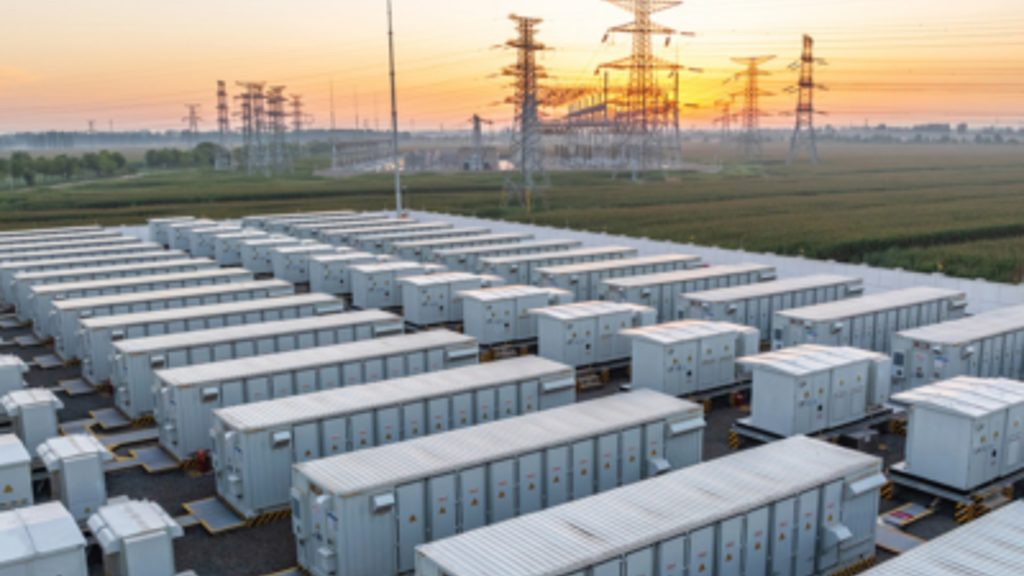
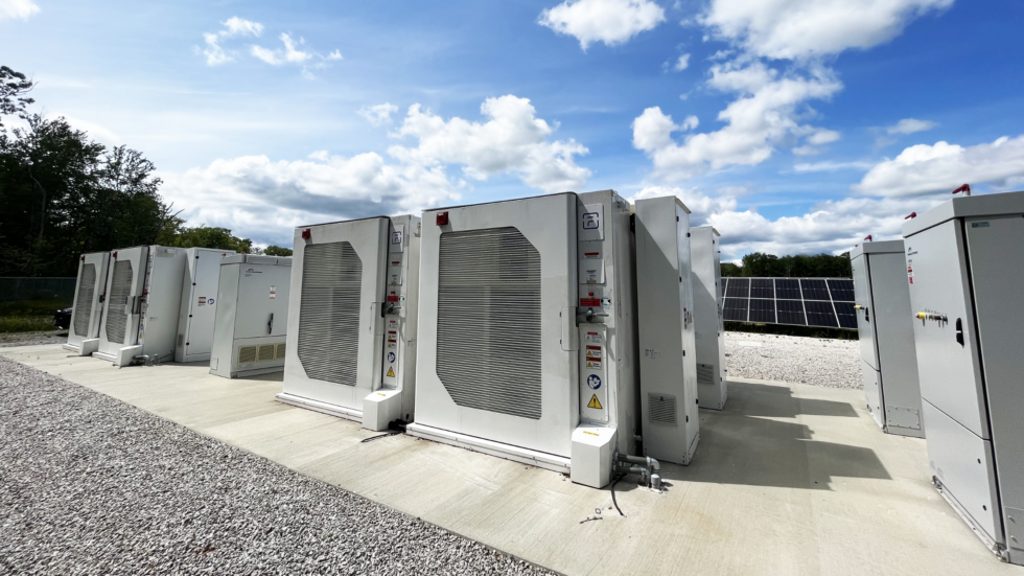
A steady, dispatchable resource sited near load has real consequences for a distribution system. It changes fault current at the point of interconnection, it changes what your protection has to coordinate against, and it changes which transmission constraints matter to you.
The practical version is that those are the same consequences any substantial new generation source creates, whether it runs on nuclear, gas, or a large solar and storage installation. A system that has been modeled properly, with current load flow and fault studies and a protection scheme somebody understands, can evaluate a new resource when one turns up. A system nobody has modeled in fifteen years cannot evaluate any of them.
What we would tell a GM asking about it
We would not plan around advanced nuclear yet, and we would not write it off either. The work that gets you ready for it is the same work that gets you ready for anything else: know your load shape, know your constraints, and keep the system model current enough to answer a question about a new resource in weeks rather than months.
That work is worth doing whether or not a reactor is ever built anywhere near you.