The Petersburg Energy Center went into service earlier this month in Pike County. If you are planning around Indiana capacity it is worth a close look, more for what the configuration says about how these projects get put together now than for the headline numbers.
What was actually built
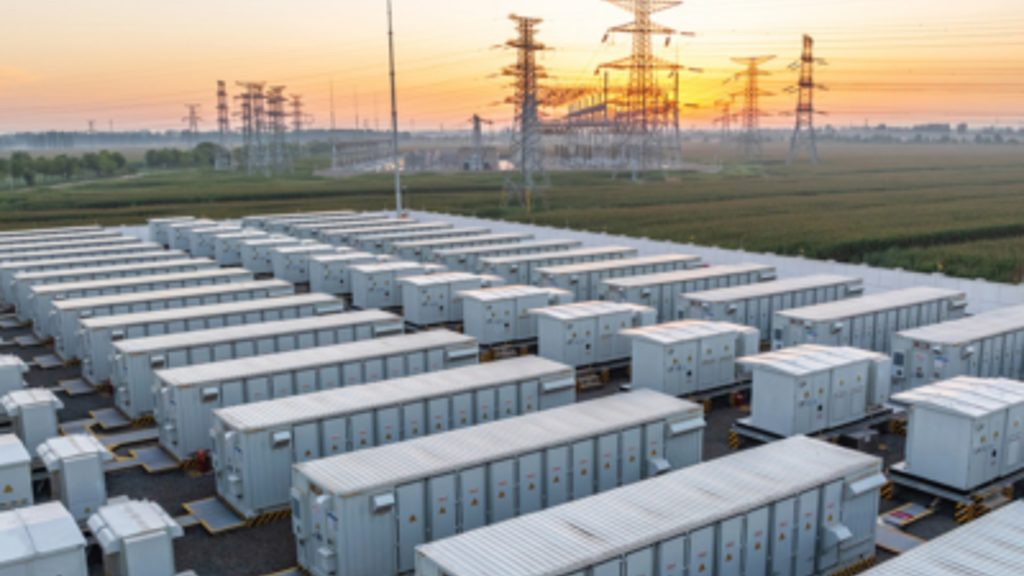
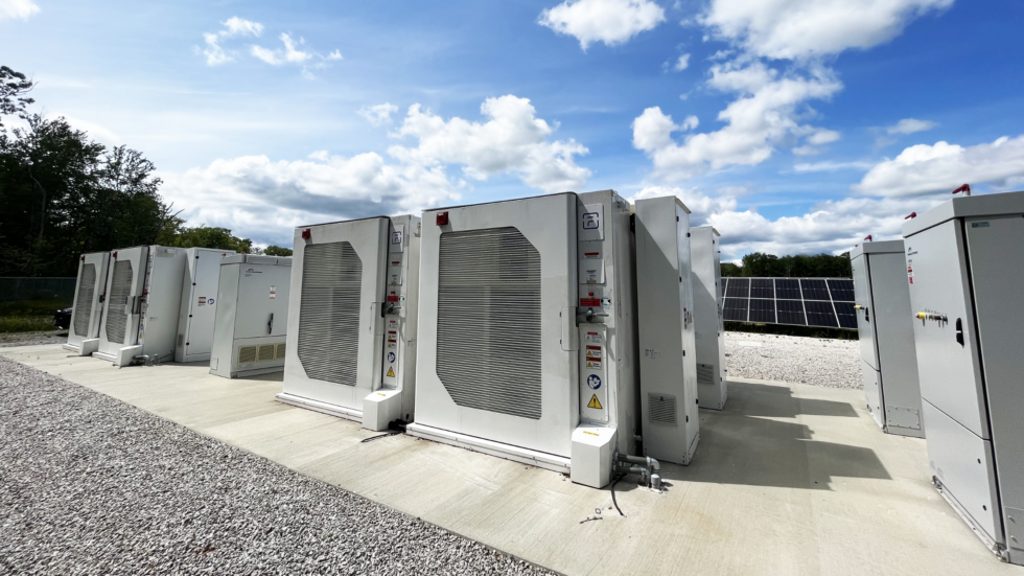
515,388 solar modules supporting 250 MW of solar generation, paired with 180 MWh of energy storage, sited at AES Indiana's existing Petersburg Generating Station. It connects through that station and is enough to power over 100,000 Indiana homes. The project was identified in AES Indiana's 2022 Integrated Resource Plan as part of replacing the retired Petersburg Units 1 and 2 and meeting MISO's increased seasonal capacity requirements.
It sits inside roughly $1.1 billion of AES Indiana investment in Pike County, which also includes converting the two remaining coal units to natural gas.
The detail worth noticing
The siting. Building at an existing generating station means the interconnection, the switchyard, and the transmission are largely already there, which removes the single largest source of delay and cost on most utility-scale projects.
That is not a small detail. Interconnection queue time and transmission upgrade cost kill more projects than anything else, and a brownfield site carrying a retired unit's capacity rights is a different proposition from a greenfield one. Pike County's designation as an Energy Community, which raised the applicable tax credit, is the other half of why this site worked.
Why the storage is there
180 MWh against 250 MW of solar is sized to firm the output rather than shift all of it: to manage the ramp when clouds move through, to hold output through the evening peak once solar has fallen off, and to help meet a capacity obligation that solar alone does not satisfy under MISO's seasonal construct.
That ratio is the thing worth taking away. Storage on these projects is increasingly there to make the resource count for capacity rather than to run it around the clock.
What it means for smaller systems
Most of our clients are not building 250 MW of anything, and the logic still scales down intact. Build where the interconnection already exists. Size storage against the specific problem it is solving rather than against the generation. And find out what your capacity obligation actually requires before deciding what to build against it.