Indiana has moved deliberately on nuclear over the past year, and it is worth separating what has been announced from what it means for anyone planning a system right now.
What has been announced
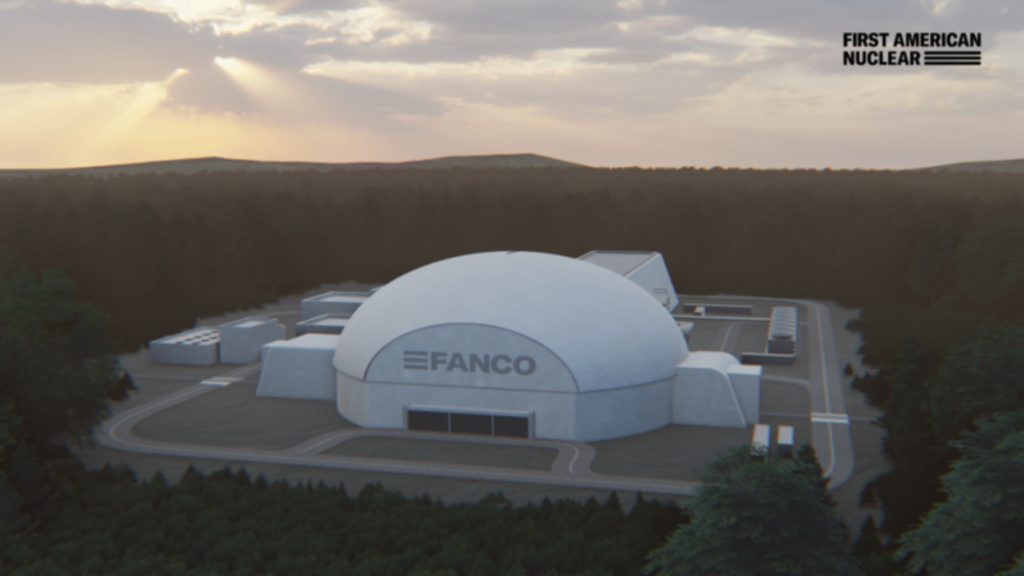
Following several nuclear energy bills signed in July, Gov. Mike Braun welcomed First American Nuclear (FANCO) to the state. In November 2025, FANCO and the State of Indiana announced plans to establish the first U.S. nuclear energy park operating on a closed-fuel cycle, in which spent fuel is reprocessed and reused onsite. The stated aim is to eliminate nearly 97% of long-lasting nuclear waste.
FANCO's EAGL-1 small modular reactor design uses a lead bismuth liquid metal alloy as coolant. The alloy is used more widely abroad, and its chemical properties do not demand the same complexity of safety systems that some other coolants require, which allows for a more compact design.
The timeline nobody should skip past
Between a stated plan and a reactor delivering power sits NRC licensing, construction and commissioning, which is a long road for any first-of-a-kind design in the United States. We say that as observers rather than critics. It is just the fact that matters if you are deciding what to build in the next five years.
Which leaves a planning posture somewhere between waiting for it and ignoring it.
What it changes about planning today
Mostly it raises the value of already knowing your own system. Any new generation resource sited near load, whatever its fuel, changes fault current at the interconnection, changes what your protection has to coordinate against, and changes which transmission constraints bind you.
A system with a current load flow model, a current short circuit study and a protection scheme somebody actually understands can evaluate a new resource in weeks. A system nobody has studied in fifteen years will spend most of a year working out where it stands before it can answer anything about a new one.
The unglamorous recommendation
If advanced nuclear arrives in Indiana on the schedule its proponents hope for, the utilities positioned to benefit will be the ones who did ordinary planning work in the meantime. If it arrives later, or differently, that same work pays for itself against data center load, electrification, and everything else already arriving.
Which makes this one of the few situations where hedging and betting look identical.